Coming Attractions

By incorporating the three principles: the past, present and future. We will post our discoveries about each phase of the cinema. From what we learned to what we know. So settle down with your popcorn and favorite beverage and stay tuned for the coming attractions.

Monday, February 28, 2011

The Rise of Colored Animated Film of 1930s


Snow White and the Seven Dwarfs was the first full-lengthed colored animated film. It's based on the German fairy tale Snow White by the Brothers Grimm. To create the characters for the movies they had to first draw them out an color them in by hand. When people first saw this movie everyone was in awe to see a colored film. The worldwide gross of this film was $8.5 million dollars.


Watch how they drew the seven dwarfs:

Saturday, February 26, 2011

Guess Who's Coming to Dinner


The Civil Rights movement was gaining momentum in the 1960's. During this time of Jim Crow laws and southern racial segregation, a film premiered in 1967 titled 'Guess Who's Coming to Dinner.' The groundbreaking theme of the movie was the topic of interracial marriage. Sidney Poitier portrayed a black doctor who met and fell in love with a young white woman played by Katharine Houghton. This film showcased the discomfort felt by family members of the young couple as they came to terms with the upcoming marriage.


This film premiered at a time in the United States where interracial marriage was illegal in fifteen states. Guess Who's Coming to Dinner won two Academy Awards - one for original screenplay and the other award for best actress given to Katharine Hepburn. Upon the film's release, it was criticized for being too controversial in it's subject matter and also for being too lightweight for lack of seriousness. But years later this film is now well regarded for tackling the divisive topic of racism.

Thursday, February 24, 2011

Drive-in Movies


The drive-in theater was created in the early 1930's by Richard Hollingshead of Camden, New Jersey. He experimented with this idea by nailing a screen to the trees in his yard. He used a 1928 Kodak projector mounted to the hood of his car and placed a radio behind the screen to test the sound.


The drive-in was most popular during the 1950's and 60's. Admission cost per person in the car included the showing of two or three movies. The typical American family would pile into the station wagon and head to the drive-in for an inexpensive night of entertainment. This was ideal for families with babies and young children, it eliminated the stress of keeping the kids quiet. The drive-in was also very popular with the teenage crowd, it became a place to hang out, meet up with friends or have a romantic date.

Sadly the decline of the drive-in began in the late 1990's when the large plots of land which accommodated the theaters became to expensive for the owners to afford. There are still a few theaters around - so before they are all gone, make plans to head to the drive-in - it's a nostalgic experience under the stars you don't want to miss!

Wednesday, February 23, 2011

Rise of Genres/Hayes Code: 60's


Film in the 1960's, were home to new genres. Such as James Bond series. Also Comedy took a big role in films, with Pink Panther and Breakfast At Tiffany's.

This decade also elimated the Hays Code. Hays Code was general outline put forth by early 1930's filmmakers. The code entailed that filmamkers would not include any crude language or scenes. So Hollywood was getting censored and had to film according to the churchs' rules.
http://www.youtube.com/watch?v=qn3dCIJ91Nw&feature=player_detailpage

Rise of Color Film: 1940's


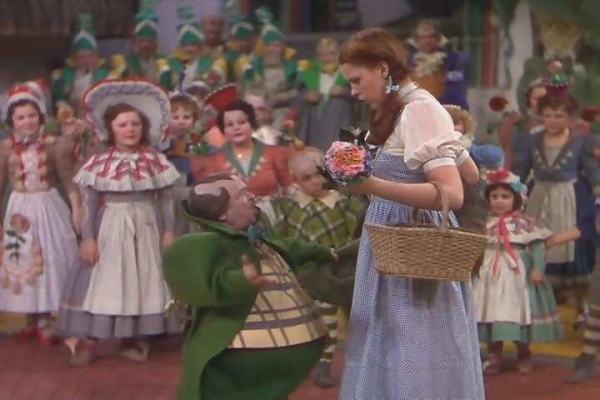
Movies in the 1940's were mostly filmed in black and white. But some where filmed in color, such titles as The Wizard of Oz and Gone With the Wind, both classics. You would think that with rise of color film, they would dominate the academy awards. Actually, only one or two color films won.

One of the big names in the industry who helped phase out the black and white process was Technicolor. The are still a big name today! So its the content not the look that wins!!

Tuesday, February 22, 2011

Teen Movies of the 1950's


The post-war 1950's produced the next movie craze - teen rebellion. These films covered such topics as juvenile delinquency and rock-n-roll. Teens in these films sported leather jackets, rode motorcycles and attended lavish beach parties. James Dean in "Rebel Without a Cause" and Marlon Brando in the "The Wild One" epitomized the 'bad boys' image, while Sandra Dee in "Gidget" was viewed as America's girl next door. Another newcomer to emerge at this time was Elvis Pressley. His music was showcased in many of his films enhancing his reputation and appeal.


One reason for the popularity of these films was the 1950's teen lived in a world that was completely different from the one in which their parents were raised. Their parents were reared during the Great Depression and World War II. This time period encompassed hardship and many sacrifices. The 50's brought a time of prosperity to many families resulting in teens having spending money, independence and freedoms.

World War II Movies


From 1941 to 1945, our country was heavily involved in World War II. Hollywood began producing films to encourage the spirit of patriotism, support our military effort and at the same time entertain the viewing public. Americans, facing the difficulties and uncertainty of war, escaped to the movies. Some films to come out of this era were "Flying Tigers", "Wake Island" and the memorable "Casablanca." Casablanca won numerous Academy Awards and made celebrities of Humphrey Bogart and Ingrid Bergman and is today a cult favorite. This film depicted a love triangle set among the backdrop of war and inspired such iconic sayings such as "Play it again, Sam", "I think this is the beginning of a beautiful friendship" and "Here's looking at you, kid."

Monday, February 7, 2011

Black and White, the backbone of Film


The Great Train Robbery, an early example of how film was really different from today. From the use of single shots to having ragtime music play in the background. Alot has changed. Artistically, film was a big thing for Americans to flock to their local cinema to see it. America in the 1900's was alot different than today. TGTR had no blood and language issues as do film today. If we showed movies from today in the 1900's, they would have a heartattack. Scienctifically, it was a harder to make movies, with not being able to see what you filmed until after it was processed. So if messed the scene you had to reshoot it. So it was very time consuming.


Overall, The Great Train Robbery is an great example of early film, go take a look for yourself -----------------------------> http://www.youtube.com/watch?v=Bc7wWOmEGGY

The wizardry of the Wizard of Oz


I loved how through technology, the people involved with the production of the movie were able to depict the tremendous difference of Kansas and Oz; accentuating the grey vista of Kansas through the use of sepia tones, as portrayed in the novel, then bringing to life - through the Technicolor process - the vivid colors of the land of Oz

A walk through City Lights: the arts perspective


"City Lights" a high budget movie; $1.5 million seemed a lot to people in 1931. Charlie had a big part in this movie. Not only did he direct it and starred in it, but also produced it and also edited it. It was a great example of slapstick comedy which is really popular today. In this movie there was no dialogue, it only had ragtime music playing the whole time in this movie. There was only one camera filming thorough out this movie. To get to another scene they usually stopped filming and they would cut the film and edit it to the next scene of the movie. Charlie Chaplin usually wore a costume when he was starring in the films.

http://www.youtube.com/watch?v=zskO9O3hF78

Sunday, February 6, 2011

Black & White Movie's Effect on Fashion


Movie-goers of the 1920's & 1930' s were influenced by the glamour and fashion on the big screen. When seated in the theater, they found themselves in a world that was exciting and full of discovery. These movies had a huge impact on the world of fashion. Hollywood set the tone for fashion, hairstyles and make-up. Katherine Hepburn made it chic for women to wear trousers. Clark Gable's sexy and debonaire moustache was soon adorning masculine faces throughout the world, and women began wearing their hair in short bobs similar to that sported by Louise Brooks.